
The Weight of Wings: Understanding Aviation’s True Climate Impact
Standing on the platform at Vienna’s Hauptbahnhof, watching the sleek railcars of the Nightjet glide into position, I found myself thinking about a sobering truth regarding modern travel. While aviation generates roughly 2.5 percent of global carbon dioxide emissions, its actual contribution to climate change runs much deeper. The high-altitude release of these emissions, combined with other factors like contrail formation, means aviation accounts for approximately 3.5 percent of total climate forcing. This amplified impact has started changing how conscious travelers think about their wanderlust.
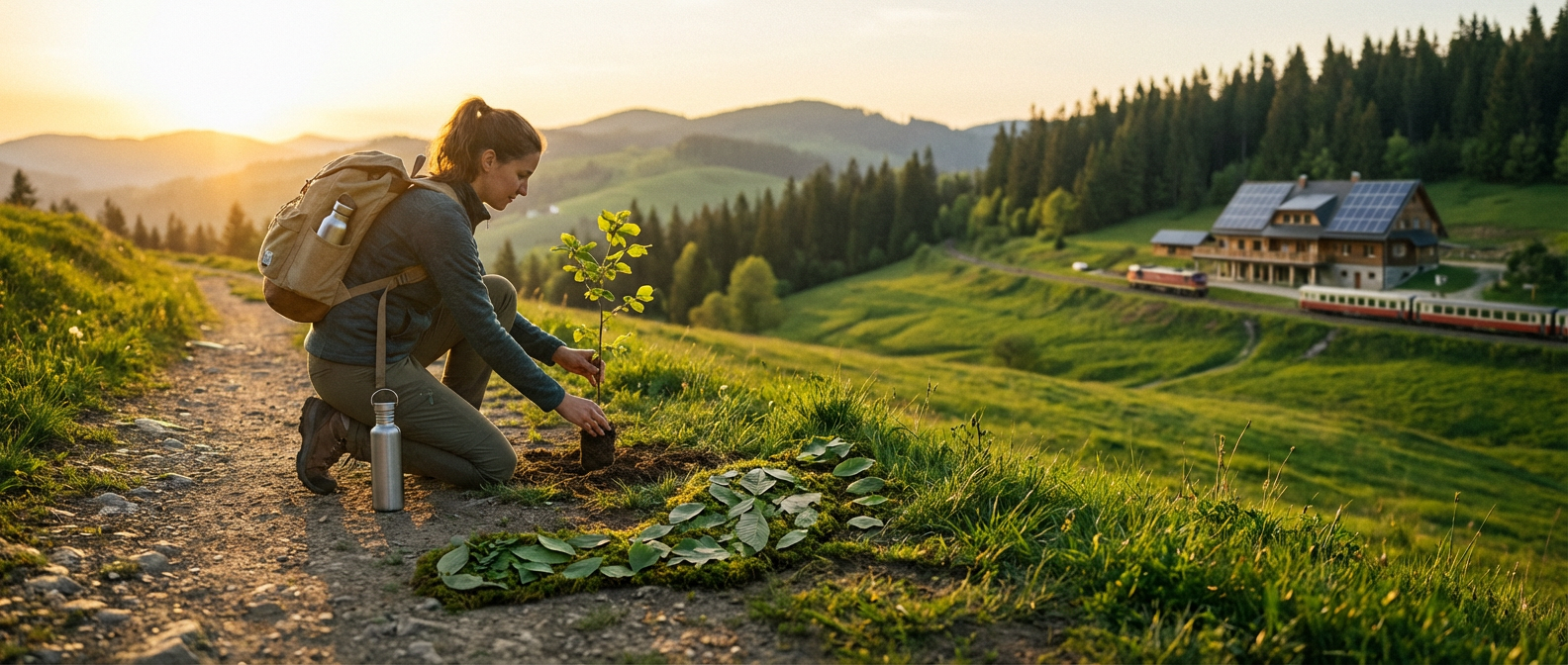
The numbers tell only part of the story. What’s equally interesting is the cultural shift taking place across Europe, where the “flight shame” movement has gained real momentum. Travelers are increasingly questioning whether that weekend city break or spontaneous getaway justifies the environmental cost. This isn’t about guilt-driven abstinence from travel, but rather a serious reconsideration of how we explore the world. The movement has prompted many European travelers to cut back on casual flying, choosing instead to embrace slower, more intentional journeys.
Yet the response to climate concerns hasn’t always been honest. Carbon offset schemes, once promoted as the solution to guilt-free flying, have faced intense scrutiny following comprehensive investigations by major news organizations. These exposés revealed that many offset programs fail to deliver promised environmental benefits, leaving travelers with a false sense of climate responsibility. The revelation has pushed the travel industry toward more transparent and effective sustainability measures.

Rails Renaissance: The Return of Overland Adventure
My first overnight train journey from London to Scotland happened during what transportation experts are calling a rail renaissance. Across Europe, night train services are experiencing unprecedented expansion, with operators planning extensive network growth between 2024 and 2028. This revival is more than nostalgia for a bygone era of travel. It’s a practical alternative for travelers seeking to reduce their carbon footprint without sacrificing the joy of reaching distant destinations.
The modern sleeper car experience combines efficiency with a unique form of slow travel. As cities drift past the window in the gentle darkness, passengers experience a meditative quality impossible to achieve at 30,000 feet. The journey becomes part of the destination, offering time for reflection, reading, and gradual adjustment to new time zones. European rail operators are responding to increased demand by refurbishing vintage cars and introducing new routes that connect major cities overnight.
What strikes me most about train travel is its community aspect. Sharing a dining car with fellow passengers, engaging in spontaneous conversations, and witnessing the landscape change gradually creates connections that airline travel rarely allows. This social dimension of sustainable travel adds richness to the journey that extends far beyond environmental benefits. When we slow down, we create space for chance encounters and deeper cultural immersion.
Beyond Do-No-Harm: The Promise of Regenerative Tourism
During a month-long stay in a small Portuguese village, I encountered an approach to tourism that challenged traditional sustainability concepts. Regenerative tourism frameworks are emerging that move beyond the familiar “leave no trace” philosophy. Instead of simply minimizing negative impacts, these models actively contribute to environmental and social restoration. The difference is profound: rather than tourists being a necessary burden that destinations must manage, visitors become participants in positive change.
Organizations like Responsible Travel are pioneering this approach by connecting travelers with experiences that directly support conservation efforts, local economies, and community development. The regenerative model recognizes that tourism, when thoughtfully designed, can help heal damaged ecosystems and strengthen vulnerable communities. This is a fundamental shift from viewing travel as extraction to understanding it as potential restoration.
The regenerative approach requires travelers to engage more deeply with destinations. Extended stays allow visitors to understand local challenges, participate in meaningful projects, and develop genuine relationships with host communities. A weekend tourist might admire a coral reef. A long-term visitor might join restoration efforts. This deeper engagement transforms both traveler and destination, creating lasting positive impacts that extend well beyond the duration of the visit.
Troubled Waters: Confronting Cruise Tourism’s Environmental Legacy
The environmental scrutiny surrounding cruise ship tourism has intensified as researchers document the industry’s impact on marine ecosystems. Modern cruise vessels generate significant particulate emissions and produce substantial volumes of wastewater, often in pristine marine environments. The scale of these operations, combined with their concentration in sensitive coastal areas, has raised serious questions about the sustainability of mass cruise tourism.
Spending weeks in Mediterranean coastal communities, I witnessed firsthand the complex relationship between cruise tourism and local environments. While these massive vessels bring economic benefits to ports, they also contribute to air and water pollution that affects both marine life and local residents. The contrast between the temporary presence of thousands of cruise passengers and the permanent environmental consequences of their visit highlights the urgent need for industry transformation.
Some progressive cruise operators are investing in cleaner technologies and more sustainable practices, but the fundamental challenge remains: how to balance the economic benefits of cruise tourism with environmental protection. Coastal communities are increasingly demanding stronger regulations and seeking tourism models that provide economic opportunities without compromising the natural assets that attracted visitors in the first place.
The Long Stay Philosophy: Traveling with Purpose and Presence
The shift toward sustainable travel isn’t just about choosing trains over planes or avoiding cruise ships. It’s a deeper transformation in how we approach exploration and cultural exchange. Long-stay travel, characterized by extended residence in fewer destinations, offers a compelling alternative to conventional tourism patterns. When we commit to spending weeks or months in a place rather than days, we reduce our carbon footprint while dramatically increasing the depth of our experience.
Resources like The Sustainable Tourism Collective provide frameworks for travelers seeking to align their wanderlust with environmental responsibility. These platforms emphasize the importance of mindful travel choices, from accommodation selection to activity participation. The goal isn’t to eliminate travel, but to transform it into a more conscious, sustainable, and mutually beneficial exchange between visitors and destinations.
The future of travel lies not in restriction but in reimagination. As we face the reality of climate change, we have an opportunity to create forms of tourism that enrich rather than deplete, that build bridges rather than extract experiences. This transformation requires travelers willing to slow down, dig deeper, and stay longer. The reward is travel that changes us as much as the places we visit, creating memories and relationships that last far beyond the journey home. What destinations are calling you to experience them not just as a visitor, but as a temporary resident committed to positive impact?