The Numbers Don’t Lie, But They Don’t Tell the Whole Story
Antarctica just had its busiest tourist season on record, with nearly 121,000 visitors making the journey south during the 2024-25 season. That’s a 35% jump from the year before, according to data from the International Association of Antarctica Tour Operators. To put that in perspective, more people visited Antarctica last season than live in Green Bay, Wisconsin.
Here’s what those numbers actually mean for you as a potential traveler: longer booking windows, higher prices, and stricter regulations that will completely change your experience. The Antarctica your travel blogger friend visited three years ago? That trip doesn’t exist anymore.
I’ve been tracking Antarctic tourism trends since 2019, and this surge caught even industry insiders off guard. The continent that once felt like an exclusive club for serious adventurers now has crowd control measures that would make Yellowstone rangers nod in recognition.
New Rules That Actually Matter to Your Trip
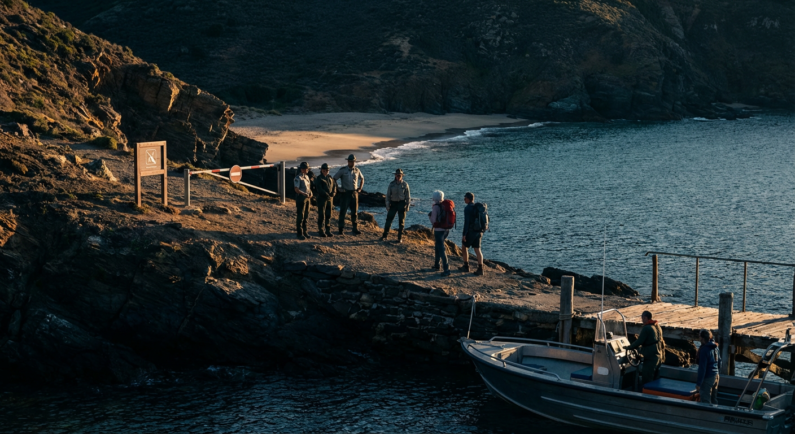
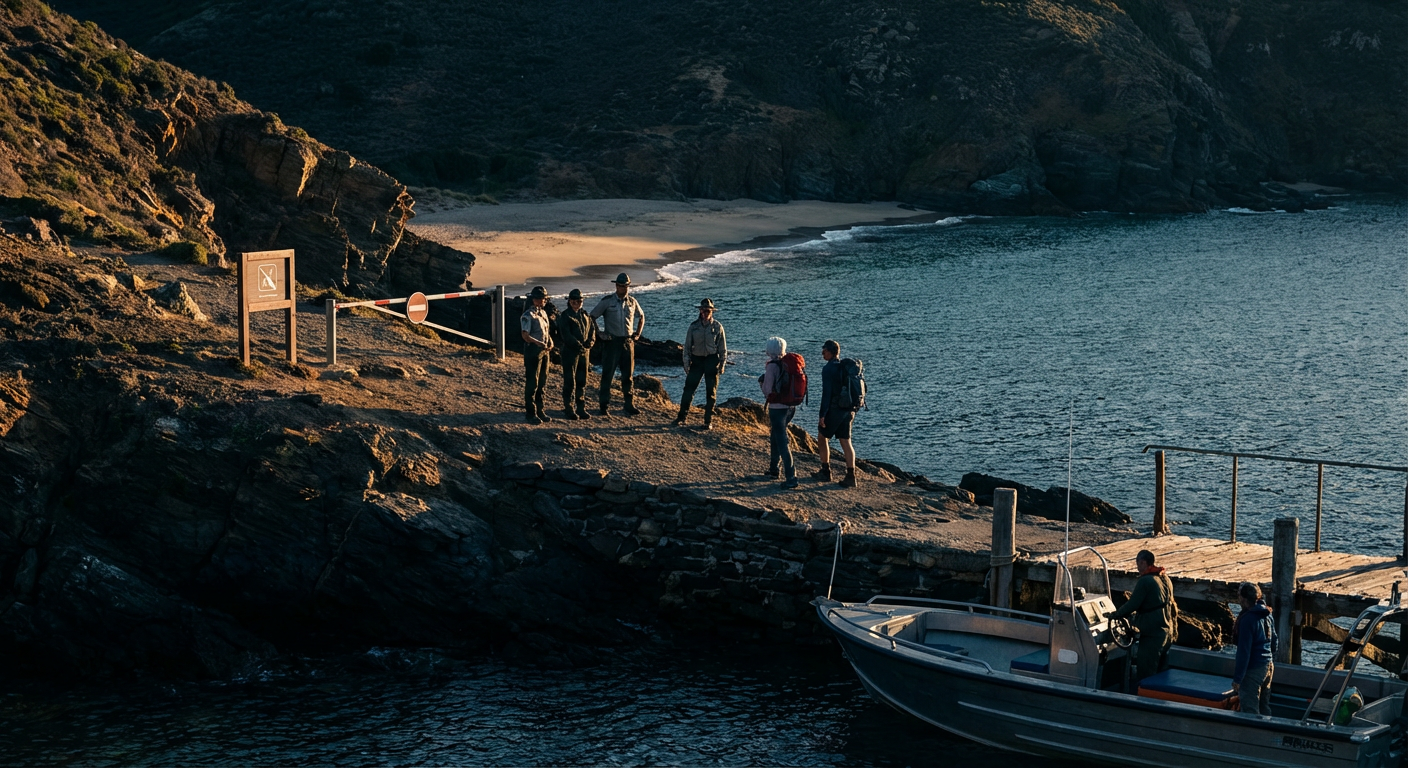
The regulatory response has been swift and harsh. Daily landing limits dropped from 200 to 100 visitors per site. Sounds reasonable until you realize what it means for your itinerary. Those postcard-perfect zodiac landings at popular spots like Deception Island or Port Lockroy now operate on a strict rotation system.
Ship sizes got capped at 500 passengers following decisions made through the Antarctic Treaty System meetings in 2025. The mega-expedition ships carrying 800+ passengers are being phased out. This eliminates some of the cheaper per-person options but creates a more intimate experience for those who can still afford to go.
The environmental protocols aren’t just paperwork anymore. Every tour operator must now purchase mandatory carbon offsets, adding between $200 and $500 to your trip cost. That might sound like greenwashing, but the programs fund genuine conservation projects across the Southern Ocean region. Your extra fees are going toward albatross monitoring and invasive species removal, not corporate marketing campaigns.
What $15,000 to $45,000 Actually Gets You
The average expedition now costs between $15,000 and $45,000 per person, with luxury options pushing past $100,000. Those aren’t typos. They’re not going down anytime soon. The question becomes whether the experience justifies the expense, especially with the new restrictions.
Mid-range expeditions typically include your cabin, all meals, expedition gear, zodiac landings, and lectures from naturalists who actually know their stuff. The higher-end packages add helicopter flights, kayaking, and cabins with balconies that matter when you’re watching icebergs drift past at 5 AM.
The ultra-luxury options approaching six figures include private guides, exclusive landing sites, and helicopter access to areas most visitors never see. I’ve priced these trips extensively. The jump from $45,000 to $100,000 gets you access and exclusivity, but not necessarily better wildlife viewing or more profound experiences.
Here’s my honest assessment: if you’re deciding between Antarctica and a down payment on a house, choose the house. But if you’re comparing Antarctica to other once-in-a-lifetime travel experiences, the pricing starts to make sense when you factor in the logistics of getting 100 people safely to the bottom of the world.
The Wildlife Reality Check
The penguin colonies haven’t read the tourism reports. They’re dealing with their own challenges from climate change, which affects your viewing experience in ways most tour companies don’t advertise upfront. Adelie penguin populations are shifting south. Some traditional rookery sites now host far fewer birds than they did a decade ago.
The good news is that whale watching has actually improved. Humpback and minke whale populations in the Antarctic Peninsula region have rebounded dramatically. The smaller group sizes mean better positioning for wildlife encounters. The zodiac landings feel less like a rushed bus tour and more like actual exploration.
Timing matters more than ever. Early season trips in November offer pristine snow conditions but limited wildlife activity. December through February provides peak wildlife viewing but also peak crowds at landing sites. March offers dramatic lighting and active whales, but weather becomes increasingly unpredictable.
Should You Go in 2026?
The window for experiencing Antarctica as anything resembling wilderness is closing, but it hasn’t shut completely. The new regulations create a more sustainable framework for tourism, even if they also make the experience more expensive and logistically complex.
Book two years ahead if you’re serious about going. The combination of limited ship capacity and growing demand means last-minute deals have essentially disappeared. The shoulder season periods in November and March offer the best value, but you’ll trade ideal conditions for lower prices.
Consider the Antarctic Peninsula versus the Ross Sea options carefully. Peninsula trips cost less and offer more wildlife, but they’re also where 90% of those 121,000 visitors go. Ross Sea expeditions cost significantly more but provide genuine remoteness and historical sites that haven’t been overrun.
The uncomfortable truth is that Antarctica tourism is approaching its carrying capacity, both environmentally and experientially. The continent will survive 120,000 annual visitors, but the sense of discovery that drew many of us to remote travel might not. If Antarctica is on your list, 2026 might be the last year it feels like the end of the world rather than an expensive outdoor museum.