The Numbers Hit Different This Time
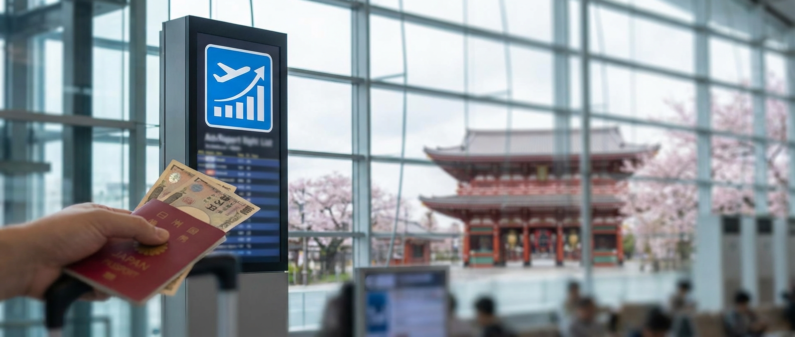
Japan just made it more expensive to visit, and I’m not talking about the weak yen. Over the last eighteen months, the country has rolled out a wave of new tourism taxes that actually sting in ways the old system didn’t. If you planned a trip to Japan five years ago and you’re doing it again now, you’ll notice the difference immediately. We’re talking real money, layered taxes that compound across your entire stay, not just a small fee tacked onto your hotel bill.
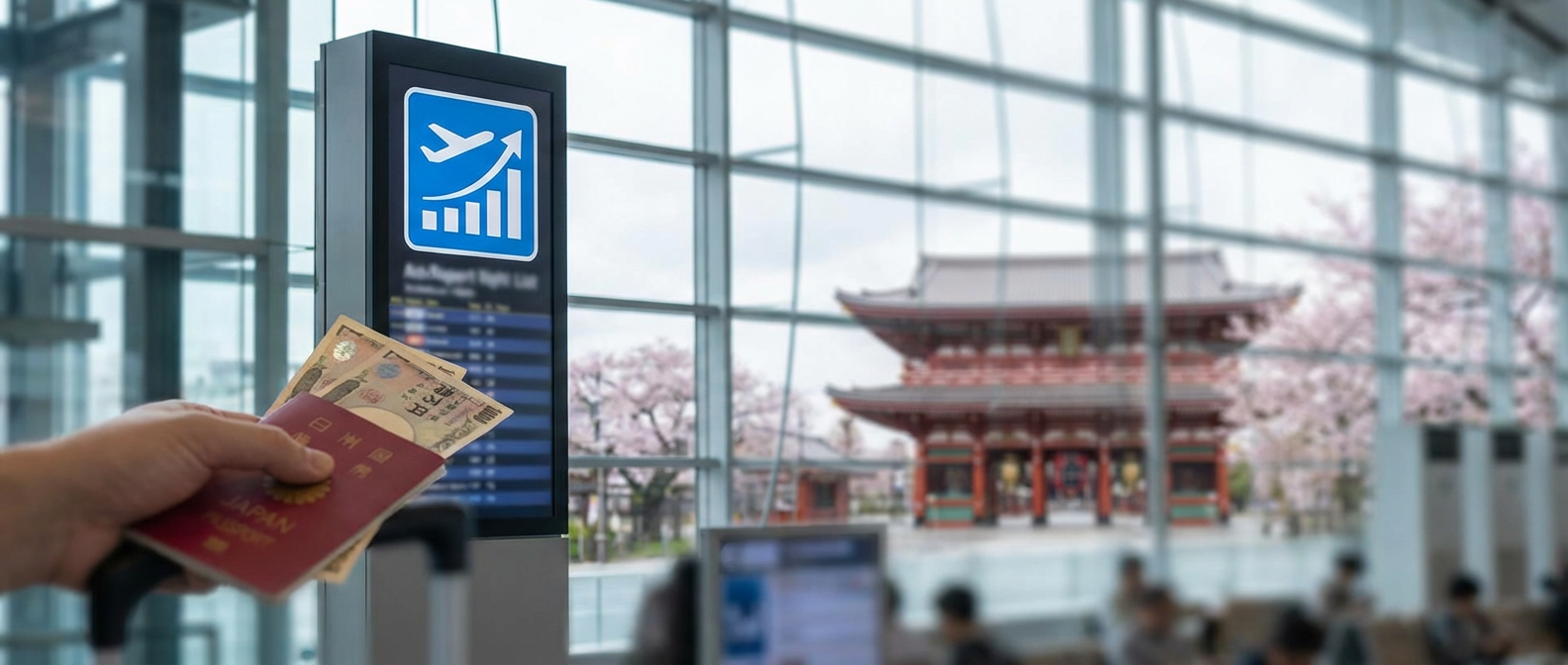
The speed of these changes is what catches people off guard. Kyoto jumped in first, raising its overnight lodging tax to a maximum of ¥10,000, roughly $67 per night per person for stays in high-end accommodations. That hit in October 2025. Then Osaka followed with its own sliding-scale system, charging up to ¥7,000 per night for rooms priced over ¥100,000. These aren’t theoretical numbers anymore. If you’re booking a mid-range ryokan or a nice hotel in either city, you’re paying these taxes right now. Check Kyoto City Tourism Association tax details and you’ll see exactly how it breaks down.
Mount Fuji, Now With a Gatekeeper and a Price Tag That Doubled
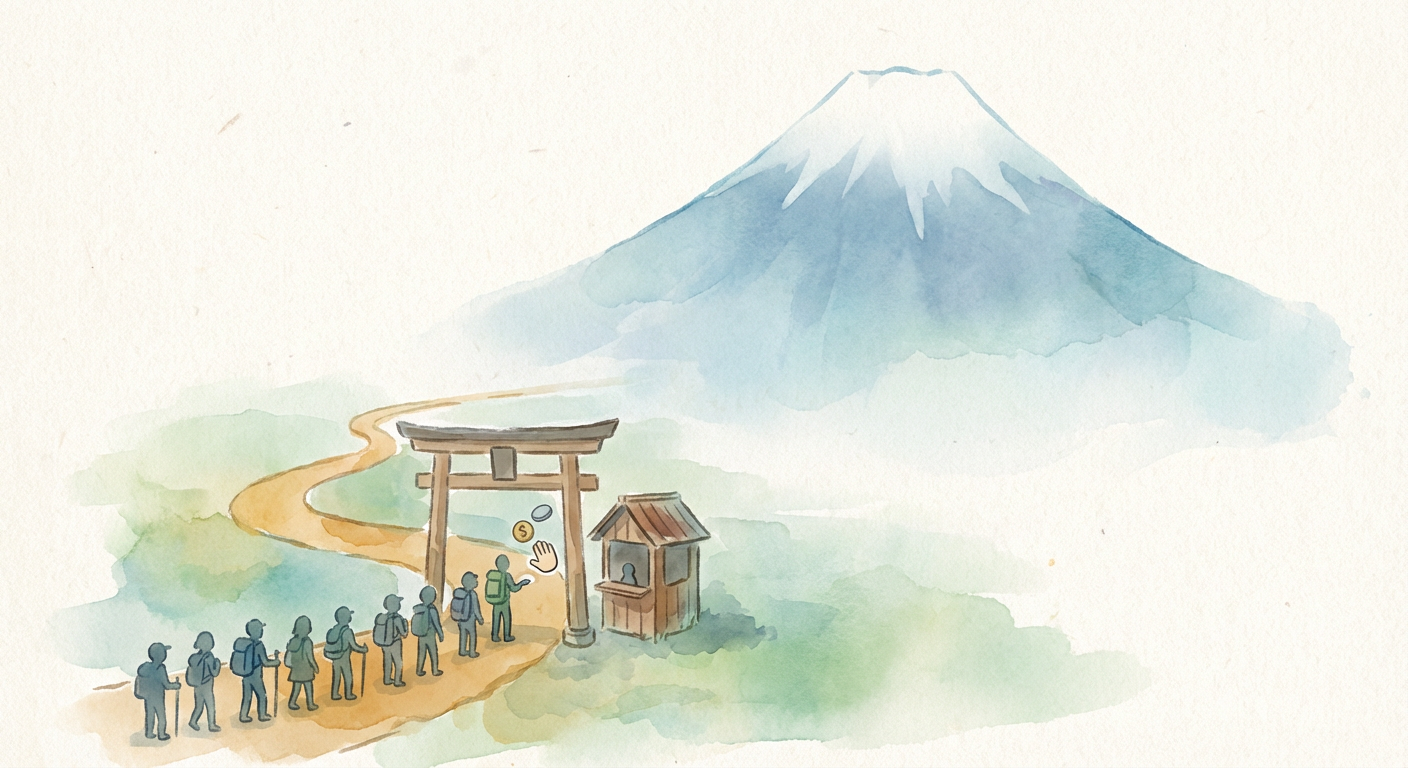
Want to climb Mount Fuji this summer? Bring more cash. The Yoshida Trail, the most popular route, doubled its climbing fee to ¥4,000, about $27 per person. That’s not a fortune on its own, but the daily cap of 4,000 climbers enforced by a physical gate genuinely changes the experience. You can’t just show up anymore. You need to book ahead, pick a date, and accept that some days you simply won’t be allowed on the mountain.
I have mixed feelings about this one, honestly. Part of me thinks it’s necessary. Mount Fuji gets overcrowded to the point where it becomes genuinely unsafe and environmentally damaging. Hiking shoulder-to-shoulder with thousands of people, trash everywhere, the mountain’s ecosystem and the huts’ resources stretched thin. The gatekeeper system and the fee actually solve problems that have been brewing for years. But I also notice that the fee directly prices out budget travelers and solo visitors who’ve long treated Mount Fuji as an accessible Japanese rite of passage. That matters too.
Why These Taxes Exist: The Overtourism Question
Japan welcomed 36.87 million foreign visitors in 2024. That’s a record, and also roughly 29 percent of Japan’s entire population arriving as international tourists in a single year. Infrastructure in places like Kyoto, Osaka, and Mount Fuji has been groaning under that load. Buses arrive full. Train stations are packed. Temples have posted visitor caps. Small neighborhoods have asked tourists to stop taking photos in front of their homes.
The tourist tax hikes aren’t random. They’re a deliberate tool to manage demand, generate revenue for infrastructure improvements, and shift the balance back toward something sustainable. The Japan National Tourism Organization official visitor statistics show clearly that the surge accelerated sharply between 2022 and 2024. Local governments looked at those numbers and decided they needed to act. These taxes are part of that response.
Where Your Money Actually Goes (Or Should)
Here’s where it gets complicated. Kyoto’s lodging tax revenue officially goes toward tourism infrastructure and cultural preservation. That sounds good. In practice, it means improving public transportation, maintaining temples and historical sites, and funding signage and wayfinding systems. Some of it also goes into marketing and promotion, which feels counterintuitive when you’re trying to manage overtourism, but that’s how the system works.
Osaka’s system, accelerated by Expo 2025 which ran through October 13, 2025, was explicitly designed to fund Expo-related infrastructure and then redirect resources to tourism management citywide. The Mount Fuji fee is clearer: it goes toward trail maintenance, rescue services, and reducing environmental impact. I’ve hiked those trails enough times to say the improvements are visible. The path is more managed. The huts are better organized. Whether that justifies the doubled fee depends on your perspective, but at least the money isn’t vanishing into a black hole.
The National Exit Tax Is Coming, and It’s Still Vague
If you think these local taxes are the end of it, think again. The Japanese government is actively debating a national-level exit tax on departing tourists. Proposals have been circulating in the Diet as of late 2025. You’d pay it when you leave the country, separate from any local taxes you’ve already paid. It’s not law yet and the details are still being worked out, but the intention is clear enough.
This is where the ethics get blurry. Collecting revenue from millions of international visitors to improve infrastructure and manage overtourism is fair. Visitors use resources and should contribute to maintaining them. But layered taxes that people discover only after they’re already booked feel manipulative. They also hit budget travelers and students much harder than wealthy tourists who were going to Japan regardless.
What This Means for Your Trip Right Now
Practically speaking, you need to budget differently for Japan in 2025 and 2026. Add lodging taxes to your per-night costs if you’re staying in Kyoto or Osaka. Plan ahead for Mount Fuji if climbing is on your list. Check the current tax situation for whatever cities you’re visiting because more municipalities are likely rolling out their own systems. And keep an eye on the national exit tax, because once it passes, it applies to every departing visitor.
Should you still go? Yes, absolutely. Japan is still worth it. The food is still incredible. The trains still run on time. The countryside is still beautiful. But go with your eyes open. Budget honestly. Book in advance where required. Think about where you’re going and why. The tourism numbers aren’t going to stabilize on their own, and these taxes are a blunt but real attempt to manage that pressure. Whether they’re working fairly or equitably is a separate conversation, and one worth having.
Have you already booked a trip for 2025 or 2026? Or are you reconsidering your Japan plans because of these changes? I’d genuinely like to hear what you’re thinking. Drop your questions or experiences in the comments, and I’ll do my best to give you answers based on what I’m seeing on the ground right now.