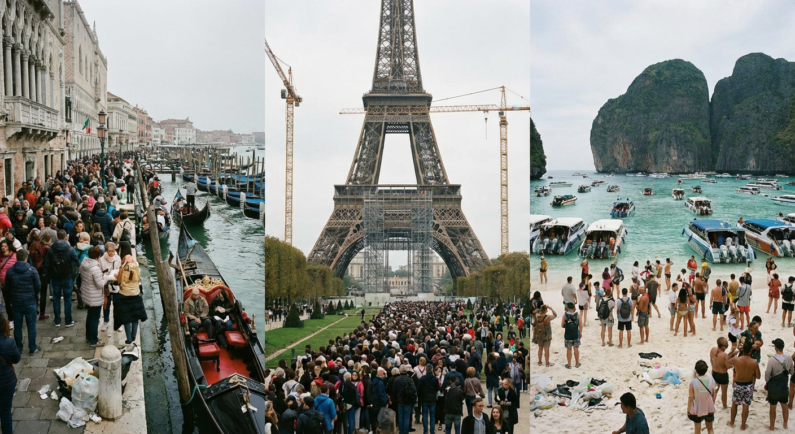

When the Postcard Lies: My Reality Check Moments
Standing in Times Square at 2 PM on a Tuesday, shoulder-to-shoulder with a family from Ohio taking selfies with a knockoff Elmo, I had an epiphany. The red steps were sticky with spilled soda, the air reeked of hot dogs and exhaust, and I’d just paid eighteen dollars for a sandwich that tasted like cardboard. This wasn’t wanderlust. This was tourist purgatory.
After fifteen years of chasing down everything from “must-see” temples to “bucket list” beaches, I’ve learned to spot the warning signs. When every guidebook, Instagram account, and travel blog pushes the same destination with identical superlatives, it’s time to dig deeper. Sometimes what you find underneath all that hype is genuine magic. More often, you find overpriced mediocrity wrapped in pretty marketing.
Here are five destinations that consistently disappoint, and more importantly, what you should do instead.
Dubai: When Artificial Paradise Costs Real Money
Dubai sells itself as luxury incarnate, but unless you’re dropping serious cash on five-star everything, the experience feels hollow. The much-photographed Burj Khalifa offers fifteen-minute elevator rides to crowded observation decks for forty-five dollars minimum. The artificial islands and indoor ski slopes are engineering marvels that somehow manage to feel soulless.
The real kicker? Food costs more than Manhattan, but finding anything authentic requires serious detective work. The old souks get swallowed by mall culture, and the heat makes walking anywhere miserable for eight months of the year. I watched families spend thousands of dollars to basically experience an outdoor shopping mall with better air conditioning.
Instead, fly two hours east to Muscat. Oman has genuine Arabian culture without the theme park atmosphere. The Sultan Qaboos Grand Mosque actually welcomes visitors for free, the souks sell real frankincense and dates, and you can camp in the Wahiba Sands for less than one Dubai hotel breakfast costs.
Santorini: Blue Domes and Budget Destruction
Those iconic blue-domed churches exist, but good luck getting a photo without fifty other people in it. Santorini became a victim of its own Instagram fame. Hotel prices that would make Manhattan blush, restaurants charging thirty euros for basic Greek salads, and crowds so dense that walking through Oia during sunset feels like being trapped in a very expensive sardine can.
The beaches everyone talks about? They’re mostly black volcanic pebbles that will cook your feet in summer. The famous sunset views require showing up two hours early to claim a decent spot, then standing pressed against strangers while restaurant touts aggressively push overpriced drinks.
Skip the madness and take the ferry to Naxos instead. Gorgeous beaches with actual sand, family-run tavernas where locals still eat, and temples that aren’t overrun with tour groups. You’ll save hundreds of euros and actually experience Greek island life instead of performing it for social media.
The Maldives: Paradise With an Environmental Price Tag
The Maldives photographs beautifully, but the reality behind those overwater bungalows is more complicated. These resorts exist on artificial islands built by dredging up coral reefs, destroying the very ecosystem that makes the water so blue. Most visitors never leave their resort island, basically paying thousands of dollars for an infinity pool with a view.
The local culture remains largely invisible to tourists. Malé, the capital, feels like an afterthought in most itineraries even though it’s home to actual Maldivian life. Meanwhile, rising sea levels threaten the entire nation’s existence, making the luxury tourism model feel increasingly absurd.
For crystal-clear water without the environmental guilt, consider the Philippines instead. Palawan has the same tropical beauty with vibrant local communities you can actually interact with. Stay in El Nido town, eat fresh fish at beachside grills for five dollars, and take day trips to lagoons that rival anything in the Maldives for a fraction of the cost.
Bali’s Canggu: Influencer Hub Masquerading as Culture
Canggu has transformed from a quiet fishing village into an Instagram factory churning out identical content. Smoothie bowls cost more than local workers earn in a day, while traffic jams of scooters carrying laptops and yoga mats create pollution that would make Jakarta jealous. The rice terraces everyone photographs are increasingly privatized for photo opportunities.
The spiritual authenticity that originally drew visitors has been turned into wellness packages and sound bath sessions that cost more than most Balinese families spend on food for a week. Meanwhile, the actual Balinese culture gets pushed further from the coast as property prices skyrocket.
Head to Yogyakarta on Java instead. This cultural capital has genuine Indonesian art, food, and tradition without the pretense. Visit Borobudur at sunrise without fighting through selfie sticks, learn batik making from actual artisans, and eat incredible gudeg for less than two dollars. The sultan’s palace still functions as a living cultural center, not a theme park.
Finding Real Travel in an Artificial World
The destinations that disappoint most are usually the ones trying hardest to please everyone. They’ve been focus-grouped and Instagram-optimized until any authentic rough edges get smoothed away. What remains often feels like an expensive simulation of what travel used to be.
Real discovery happens in the spaces between the guidebook highlights. It’s the morning market in Yogyakarta where vendors press fresh dragonfruit into your hands, or the family guesthouse in Naxos where your host’s grandmother teaches you to make proper tzatziki. These experiences can’t be packaged or guaranteed, which is exactly what makes them worth seeking.
Next time a destination promises to be paradise, ask yourself who’s making that promise and what they’re selling. The best travel stories rarely come from places that market themselves as must-see destinations.