The Real Cost of Getting There
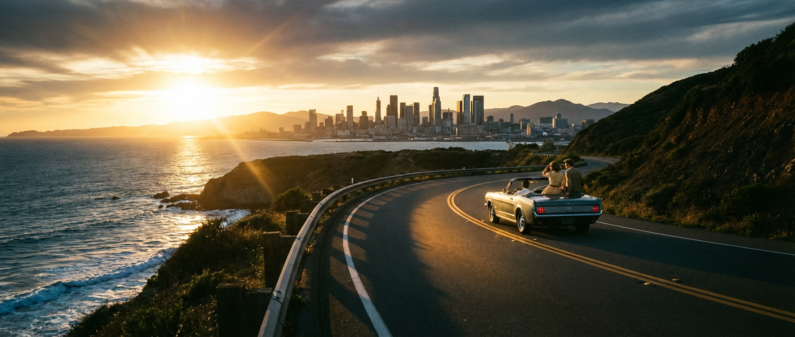
Let me be brutally honest about transportation costs because this is where most day trip budgets go to die. That charming coastal town two hours away? If you’re driving, factor in $0.65 per mile (the current IRS rate exists for a reason), plus parking that will inevitably cost more than you think. I learned this lesson hard in Monterey when I budgeted $10 for parking and ended up paying $25 because the “cheap” lots were full by 9 AM.
Public transportation often wins on paper but requires homework. The train from San Francisco to Half Moon Bay costs $7.50 each way on Caltrain plus a $2 bus connection, but only runs every two hours on weekends. Miss that return train and you’re looking at a $60 Uber ride home. I keep a screenshot of weekend schedules on my phone because train apps lie about real-time delays.
Group travel changes everything. Four people driving to Sonoma from San Francisco splits that $40 gas bill into $10 each, while four train tickets cost $120 total. But here’s what nobody tells you: driving means someone can’t drink wine, and designated drivers in wine country deserve better than overpriced sparkling cider.
Food Reality Check
Tourist areas charge tourist prices, but you’re not doomed to spend $18 on mediocre fish and chips. The trick is eating like locals do. In Sausalito, everyone photographs themselves at restaurants overlooking the bay while locals grab sandwiches at Molina Deli for $12 and eat them at the same waterfront for free.
I budget $35-50 per person for food on day trips, assuming one sit-down meal and strategic snacking. This works in places like Healdsburg where you can hit the farmer’s market Saturday morning ($15 for fruit, cheese, and bread) then splurge on dinner at a proper restaurant ($40-60 per person). Skip the $8 coffee and bring a thermos. Skip the $6 water bottles and bring your own. These aren’t revolutionary concepts, but they add up to an extra $20 in your pocket.
Research menus and prices beforehand using actual restaurant websites, not review sites that show outdated pricing. That cute brunch place might charge $24 for eggs benedict, which is fine if you know that going in and budget accordingly. It’s not fine when you discover it while hangry and already seated.
Activity Costs That Creep Up
Free activities exist, but they require planning to make them worthwhile. Hiking costs nothing except parking fees, but you need proper shoes, water, and realistic expectations about your fitness level. I’ve watched too many people attempt the Dipsea Trail in Converse sneakers, then spend money on urgent gear purchases or early returns home.
Paid activities range from reasonable to absolutely ridiculous. Wine tasting fees in Sonoma County run $15-40 per person and are usually waived with purchase, making them essentially free if you planned to buy wine anyway. Museum admissions vary wildly: the Monterey Bay Aquarium costs $49.95 per adult, while smaller local museums charge $5-15. State parks typically charge $10 for parking and offer full-day access to trails, beaches, and facilities.
The expensive trap is impulse activities. That scenic helicopter ride looks amazing, but $200 per person turns a $100 day trip into a $300 splurge. Decide your must-do activities beforehand and stick to the plan. I write them in my notebook with actual dollar amounts next to each item.
Hidden Costs and Smart Workarounds
Parking in tourist towns deserves its own budget line item. Carmel charges $2 per hour downtown with a four-hour maximum, effectively costing $16 minimum for a day visit. Santa Barbara beach parking hits $3 per hour with no daily maximum. I scout free parking options using SpotHero and local city websites before leaving home, even if it means walking an extra ten minutes.
Weather changes everything about costs. Fog in Half Moon Bay means paying $12 for a sweatshirt you didn’t think you’d need, or spending money on indoor activities instead of free beach time. I check detailed weather forecasts and pack layers, but also research backup indoor options that fit the same budget.
Timing affects pricing more than most people realize. Napa Valley tasting rooms charge higher fees on weekends. Santa Cruz beach parking doubles during summer. Pescadero restaurants run out of their famous artichoke soup by 2 PM on busy days. I plan day trips for Tuesday through Thursday when possible, and always have backup timing for popular spots.
Making It Work on Any Budget
A solid day trip costs $60-100 per person from major California cities if you’re strategic about choices. This covers transportation, one good meal, parking, and a modest paid activity. You can absolutely do it for less by prioritizing free activities and packing food, or spend significantly more by choosing premium options across the board.
The key is honest math upfront. Add transportation, food, activities, and a 20% buffer for unexpected costs. If that number makes you uncomfortable, adjust the plan rather than hoping things will somehow cost less than they actually do. I’ve salvaged plenty of trips by switching from wine tasting to hiking, or from restaurants to picnics, without losing the core experience.
My notebook stays full because I write down actual costs, not estimates. That $8 breakfast burrito in Santa Cruz, the $15 parking fee in Mendocino, the $5 bathroom fee at some coastal stops (yes, really). These details help plan better future trips and share realistic advice with friends who ask for recommendations.
What questions do you have about planning affordable day trips from your city? I’m always curious about which destinations people are considering and what their biggest budget concerns are.