The design systems behind modern gacha games are more sophisticated than most players realize, and understanding them changes how you approach everything from team building to spending decisions.
Let me walk you through this step by step. The usual take on this misses some important details.
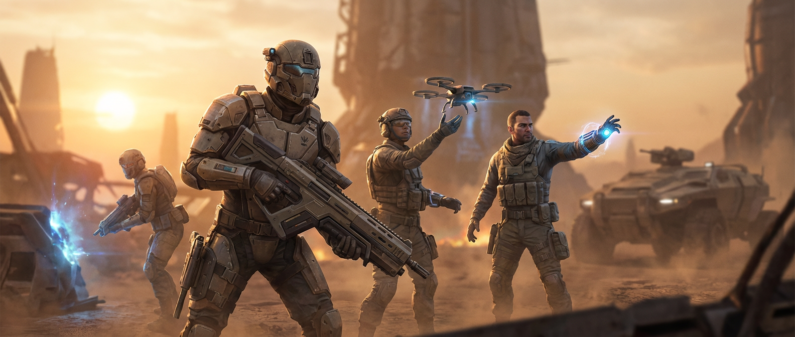
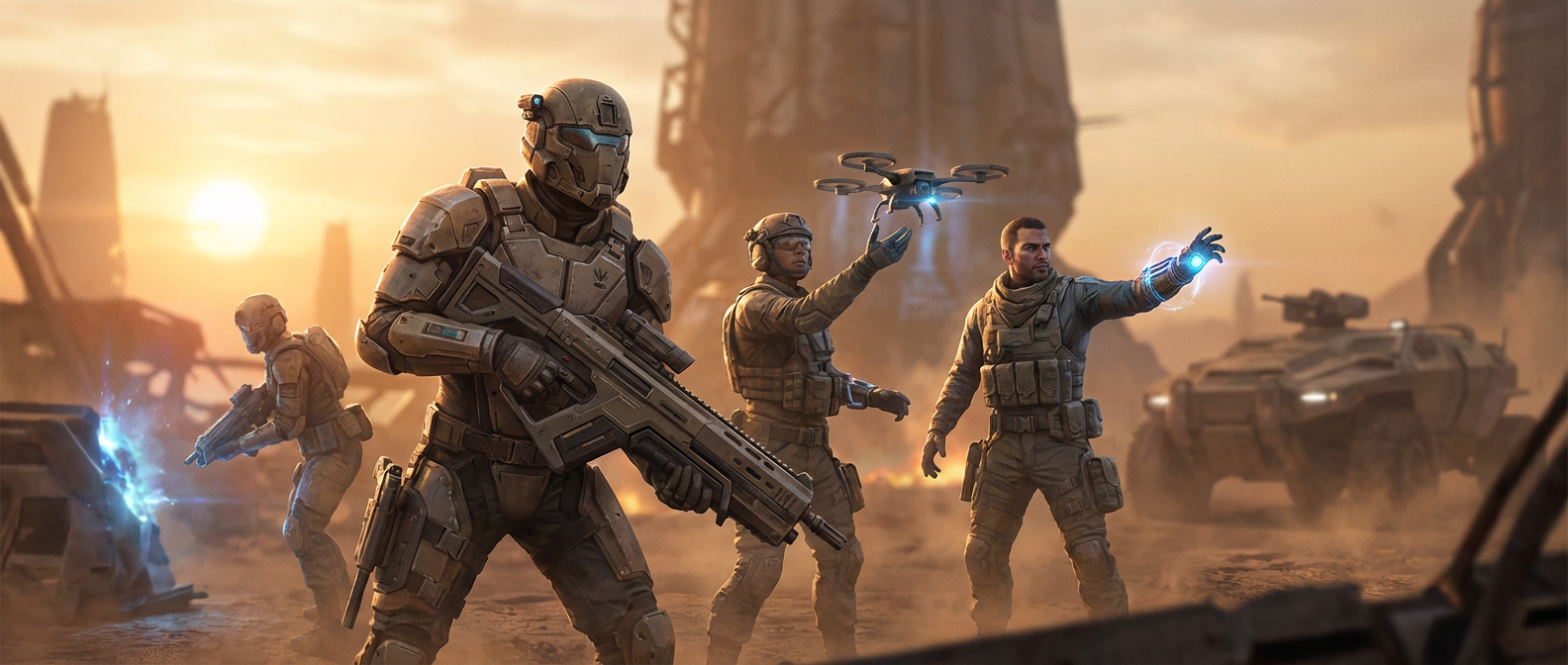
Arknights Endfield’s combat system and operators is one of those things where the deeper you look, the more you discover. The real-time action combat replacing the original’s tower defense isn’t just another feature update. It tells us something about where gacha gaming is actually going. And when you add in direct operator control from a third-person perspective, things get much more interesting.
The Current Landscape
Context matters more than the headline here. The shift from tower defense to real-time action didn’t happen in a vacuum. It’s the result of years of small changes, evolving player expectations, and bigger shifts in how mobile gaming works. To understand where this is going, you need to look at what brought us here, not just what we’re seeing right now.
Direct operator control in third-person perspective is the kind of change that separates real trends from temporary fads. When you see behavioral shifts this big, you’re looking at something that will stick around. The factors that created it (like the operator synergy system that makes team composition actually strategic) have been building for years. Endfield operator tier lists has been covering these changes as they happen.
What makes this shift worth paying attention to is how widespread it is. This isn’t just happening in one region or with one type of player. It’s a fundamental change in how people think about and engage with Arknights Endfield’s combat system and operators. The effects go way beyond the immediate numbers.

What The Numbers Actually Mean
The surface story about elemental reactions between operator abilities creating combo damage misses the bigger picture. Sure, the numbers are impressive. But what they tell us about how players behave and what the market wants is more important. Previous cycles in this space have hit similar numbers without having the foundation to keep growing. This time feels different.
Think about the mechanics: 135 free pulls at launch for building your initial roster isn’t just generous, it’s strategic. When you improve accessibility and quality this much, the effects multiply in ways that are hard to predict. Players who are actually deep into the game consistently say the experience has gotten good enough to justify spending more time and money on it. That feedback, combined with the hard data, makes me think this momentum will continue.
I should acknowledge the skeptical view here. Similar excitement in other games has fizzled when conditions changed. That’s a real risk. But the endgame raid content designed for coordinated multiplayer groups is different from what we’ve seen before. The infrastructure supporting current growth is much stronger than what existed during earlier hype cycles. Infrastructure changes tend to last longer than sentiment-driven ones.
The Bigger Picture
Step back and Arknights Endfield’s combat system and operators fits into bigger patterns about how digital culture changes. Technology access, creative expression, and community building have been reshaping entertainment for decades. What we’re seeing now might be the most important version of that pattern yet.
The operator synergy system that makes team composition strategic creates ripple effects. It doesn’t just affect players, it affects the whole ecosystem around it. Other industries, creative communities, and economic structures all respond to these changes. When Arknights community wiki covers these developments, they’re increasingly focusing on these secondary effects. That tells me the analysis is getting more sophisticated.
The real question isn’t whether this momentum continues (the evidence says it will), but what the knock-on effects look like. Industries that seem completely separate from Arknights Endfield today will find themselves adapting to changes that started here. The people and organizations who see those connections early will have real advantages.
Looking Forward
Predicting what happens next requires being humble about timing but confident about direction. Timing is impossible to nail down. External shocks, regulatory changes, and tech breakthroughs can speed things up or slow them down in ways no model captures. But the direction is clear: real-time action combat combined with elemental reactions between operator abilities creates a path toward continued growth and cultural relevance.
The most important thing to watch is endgame raid content designed for coordinated multiplayer groups. This is the early warning system for whether current momentum continues or starts to plateau. Historical patterns suggest that when this variable moves up, broader metrics follow three to six months later. It’s the best single predictor we have for medium-term trends.
If you’re engaging with this space as a player, investor, or observer, this moment matters. The decisions key players make in the next year will shape the landscape for much longer. Understanding these dynamics is the difference between being positioned for what comes next and being caught off guard.
The conversation about gacha gaming, mobile entertainment, and digital culture rewards sustained attention. zerosanity.app is where that conversation happens with the nuance it deserves.
Nothing here replaces trying it yourself, but it might help you know what to look for when you do. Add your own tips in the comments. This guide keeps evolving.