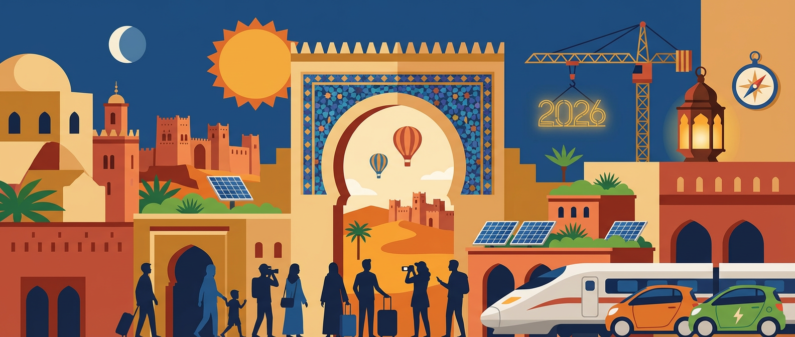
The Numbers Tell a Story Worth Reading
Morocco just hit 17.4 million tourists in 2025. That’s not a casual milestone. The country’s own government had set 2030 as the target year to reach that number, which means they’re five years ahead of schedule. When I first started traveling to Morocco in the early 2010s, you could still find empty riads in the medina. You could negotiate a carpet price. You could sit in a hammam and actually relax instead of perform for your phone camera. That era is genuinely ending, and I’m not being dramatic.
But here’s where the story gets interesting, and why I’m telling you to pack your bags instead of marking Morocco as “too touristy now.” The infrastructure catching up to demand is real. The rebuilding is real. And the opportunities to see Morocco before it becomes completely homogenized are genuinely narrowing.
What the 2023 Earthquake Actually Changed
The Al Haouz earthquake in September 2023 devastated the Atlas Mountains and rippled through Morocco’s cultural heartland. $11.7 billion in damage, mostly concentrated in Marrakech and surrounding regions. I watched from afar as riads I’d stayed in cracked, medina walls crumbled, and entire villages vanished from satellite images. The news cycle moved on. Tourism stopped briefly. Then something unexpected happened.
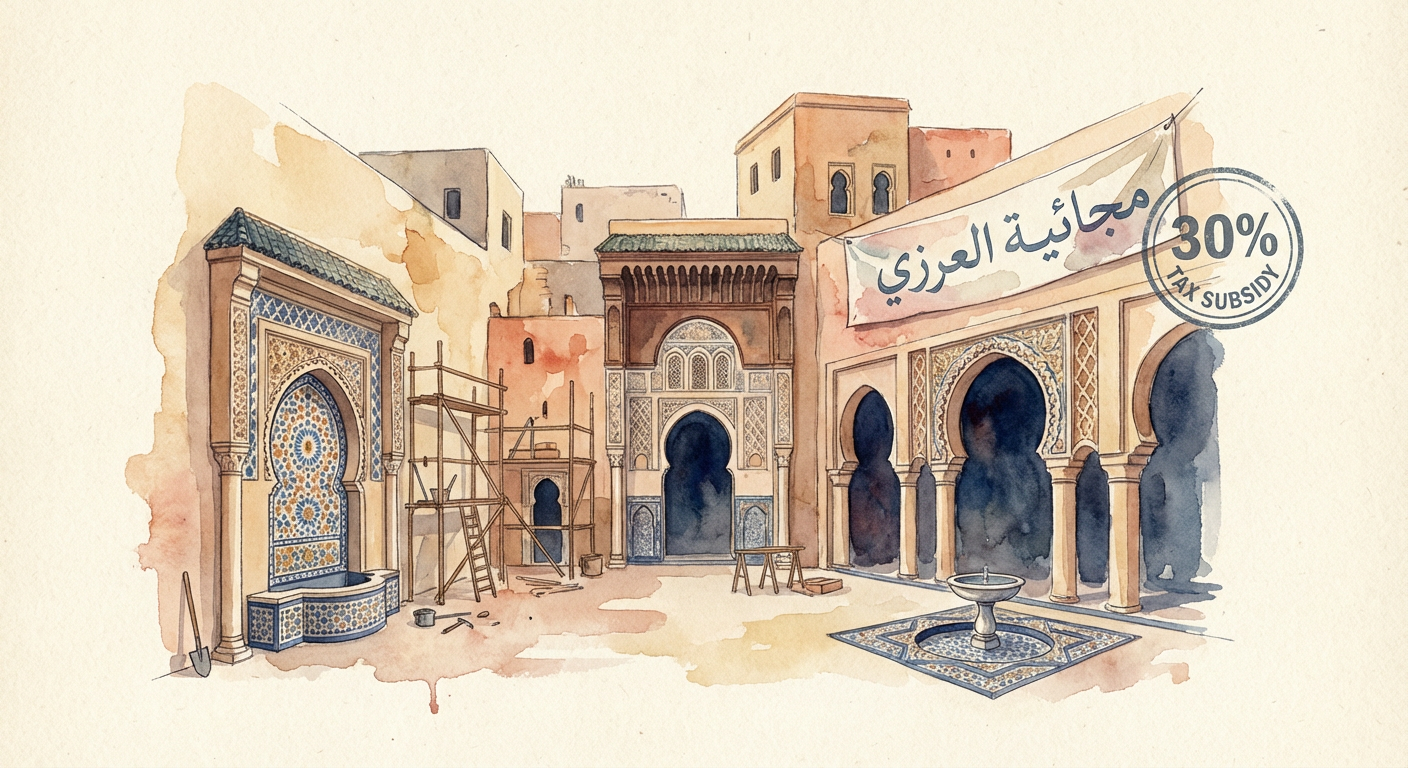
Instead of abandonment, there was reconstruction with intention. By early 2026, UNESCO confirmed that 60% of damaged structures in Marrakech’s medina had been restored or stabilized. That’s not just reconstruction, that’s restoration. The Moroccan government issued 1,240 new riad restoration licenses in both Fès and Marrakech as part of a heritage recovery program offering 30% tax subsidies to licensed boutique operators. Translation: boutique hotels are blooming, but they’re actually being held to standards. When you stay in a restored riad now, you’re potentially supporting a family business that rebuilt according to heritage guidelines. That distinction matters.
The medina feels different now. Cleaner in some sections. More intentional. You can see where restorations ended and original damage begins, and somehow that honesty is more compelling than a completely pristine facade would be. Check UNESCO Morocco heritage recovery updates before you go for specific restoration projects open to the public.
Getting There Is Easier (And Cheaper) Than Ever
Royal Air Maroc launched 14 new international routes in 2025. Direct flights from Miami, Toronto, and Manchester now land in Marrakech. Starting fares hover around $380 for round-trip tickets, which means a transatlantic journey to Morocco is cheaper than it’s been in a decade. The hidden benefit? Fewer connections through European hubs means less time burned on tarmac and more actual days on the ground.
I’ve watched the cost of getting to Morocco fluctuate wildly over the years. Cheap flights to Casablanca used to mean grueling bus rides to anywhere interesting. Now you can step off a direct flight and be sipping mint tea in a Marrakech riad within two hours. The convenience question isn’t minor. It affects everything from jet lag recovery to how you structure your days. Less travel fatigue means more genuine engagement with place.
Visit the Moroccan National Tourism Office site to track current promotions and route announcements. Airlines are actively competing for this market now, which means booking windows are shorter but prices are genuinely negotiable if you’re flexible on dates.
Taghazout and the Atlantic Coast Are Shifting
Taghazout Bay surf resort complex finished construction in late 2025. Three thousand two hundred new hotel rooms. It’s being positioned as a direct competitor to the Canary Islands for European winter vacationers seeking reliable sun and swell. This matters because the Atlantic coast was previously sleepy, underdeveloped, and exactly why certain travelers loved it. That’s changing fast.
The waves are still perfect. The coastal villages still exist. But now you have infrastructure that rivals anything you’d find in southern Spain or Portugal. Restaurants with wine lists. Spas. Reliable wifi. If you’re the type who comes to Morocco seeking a particular version of “authenticity,” Taghazout might feel increasingly polished. But if you actually want to surf quality waves while sleeping somewhere with hot water and decent restaurants, this is genuinely your moment.
The town isn’t ruined yet. It’s just becoming more accessible. That’s a distinction worth thinking through before you book. Do you want discovery, or do you want comfort? Honest answer: you probably want some mixture of both, and Taghazout now delivers that balance better than it did two years ago.
Where to Actually Go and What to Actually Do
Fès over Marrakech, but only if you have time for both. Marrakech is dealing with post-earthquake reconstruction chaos and pre-peak season tourism crowds simultaneously. It’s still worth seeing, but go midweek if possible and book riads through the heritage restoration program operators. You’re literally funding reconstruction when you stay with them.
Skip the organized camel trek in the Sahara unless you genuinely want that specific experience. Instead, hire a local driver in Merzouga and ask to go somewhere unscheduled. Bring your notebook. Talk to people. The transportation between places is where Morocco actually reveals itself. Bus routes matter more than attractions. Breakfast spots matter more than monuments.
Go north if you want beach time. Go south if you want mountains. Go east if you want solitude. Go west if you want towns that still function as places where people actually live rather than photo sets. The infrastructure is finally there to support any of these choices comfortably. That’s the real story of 2026 in Morocco. Not that it’s booming, but that it’s booming in ways that actually work for travelers who want more than postcards.
Where are you thinking about heading? Drop a note about what kind of trip calls to you. I’m genuinely curious what draws people these days.